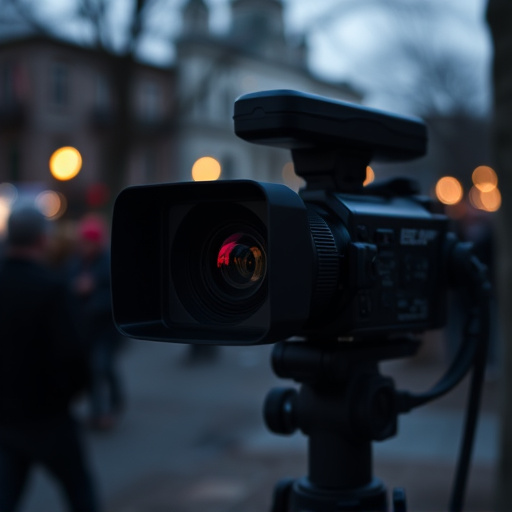
In today's digital age, hidden cameras offer homeowners security but raise concerns about misuse. Security camera masking is crucial to hide these devices from potential intruders like bad babysitters. Homeowners should strategically place objects or use advanced masking techniques in key surveillance areas while ensuring reliable power sources and a strong internet connection for real-time monitoring. Blending masking objects into household environments, such as fake plants or decorative stones, effectively conceals cameras. Regular testing is vital to ensure optimal video quality and clear sightlines. Balancing efficacy with ethics requires informing all household members about camera presence, limiting placement to common areas, encrypting footage, complying with laws, and fostering open communication to protect privacy rights.
Uncover peace of mind with our comprehensive guide to securing your home using hidden cameras. In today’s digital age, understanding the importance of privacy and surveillance is paramount, especially when it comes to protecting your family from undetected dangers like unreliable babysitters. This tutorial explores the art of maskiing household objects as security cameras, offering a stealthy solution for vigilant homeowners. From preparation to ethical considerations, learn how to implement this innovative system effectively while maintaining privacy.
- Understanding the Need for Security Camera Masking
- Preparing Your Home for Hidden Cameras
- Selecting and Installing Masking Objects
- Setting Up and Testing Your Surveillance System
- Ethical Considerations and Privacy Tips
Understanding the Need for Security Camera Masking
In today’s digital era, where technology offers both convenience and security solutions, hidden cameras have become a popular tool for homeowners to protect their families and properties. However, with great power comes the potential for misuse, especially when it involves employing bad babysitters or suspicious individuals who could be secretly recording or invading privacy. This is where security camera masking becomes an essential technique.
Masking allows homeowners to ensure that even with hidden cameras in place, the presence of these devices remains concealed from prying eyes. By strategically placing objects over camera lenses or using advanced masking techniques, one can deter potential intruders or bad actors who might attempt to detect and exploit surveillance equipment for malicious purposes. It’s a clever way to maintain privacy while still reaping the benefits of hidden cameras in terms of security and peace of mind.
Preparing Your Home for Hidden Cameras
Preparing your home for hidden cameras involves a thoughtful and strategic approach to ensure optimal placement and effective monitoring. Start by assessing the areas that require the most surveillance, such as entry points, common areas, and any rooms with valuable items or potential privacy concerns. Remove or cover any objects that could obstruct the camera’s view—curtains, plants, or furniture placed in front of windows or doorways are common culprits.
Consider the power sources for your hidden cameras; ensuring reliable access to electricity is key. Use power adapters or wireless charging stations strategically placed to support your camera setup without drawing too much attention. Additionally, test the internet connection to ensure smooth video transmission and storage, especially if you’re utilizing cloud-based monitoring services to detect bad babysitters or suspicious behavior in real time.
Selecting and Installing Masking Objects
When selecting masking objects for your security camera, consider items that blend seamlessly into your household environment. Common choices include fake plants, decorative stones, or even realistic-looking dolls. These objects can effectively disguise the presence of hidden cameras, ensuring that potential bad babysitters or intruders won’t suspect surveillance.
Installation is a crucial step to ensure the masking object’s effectiveness. Place the selected item strategically near or on the camera lens. For example, positioning a fake plant with a small camera tucked inside among real greenery can create an indistinguishable blend. Regularly test the setup to confirm the camera remains hidden from view, thereby enhancing your home security and providing peace of mind when detecting bad babysitters or monitoring other sensitive areas.
Setting Up and Testing Your Surveillance System
Setting up and testing your surveillance system is a crucial step in ensuring effective security camera masking. Begin by strategically placing hidden cameras around your home, aiming to capture key areas where potential intruders or bad babysitters might loiter. These could be entry points, living rooms, bedrooms, or any spaces requiring monitoring. Use maskable objects like plant pots, fake rocks, or decor items as cover for the cameras, making them nearly invisible to the naked eye.
After installation, conduct thorough testing to verify the system’s functionality. Check video feed quality, ensure all cameras have clear sightlines, and confirm that alerts are triggered accurately in response to movement or sounds. This process allows you to identify any technical glitches or blind spots, enabling you to make necessary adjustments for optimal protection using hidden cameras to detect bad babysitters or unexpected visitors.
Ethical Considerations and Privacy Tips
When setting up hidden cameras for home security, especially to detect bad babysitters or intruders, it’s crucial to balance effectiveness with ethical considerations. While the use of surveillance technology can enhance your family’s safety, it raises privacy concerns that must be addressed. Ensure transparency in the usage of these devices; inform all household members and guests about the presence of cameras. Respecting personal spaces and privacy rights is paramount, so limit camera placement to common areas accessible to everyone.
Privacy tips include encrypting video footage, using strong passwords to access recordings, and regularly reviewing and deleting unnecessary data. It’s also important to comply with local laws regarding surveillance. Additionally, consider the potential impact on relationships within your home; open communication can help prevent misunderstandings or distrust stemming from camera usage.
Masking security cameras with everyday household objects is a creative way to safeguard your home, especially when employing hidden cameras to detect bad babysitters or suspicious behavior. By utilizing this simple technique, you can enhance privacy and surveillance without compromising aesthetics. Remember, ethical considerations are paramount; ensure informed consent when installing any surveillance system and respect the privacy of all individuals involved. With the right approach, hidden cameras can become powerful tools for maintaining a secure household environment.